Blog
Product updates, guides, and engineering notes from the team.
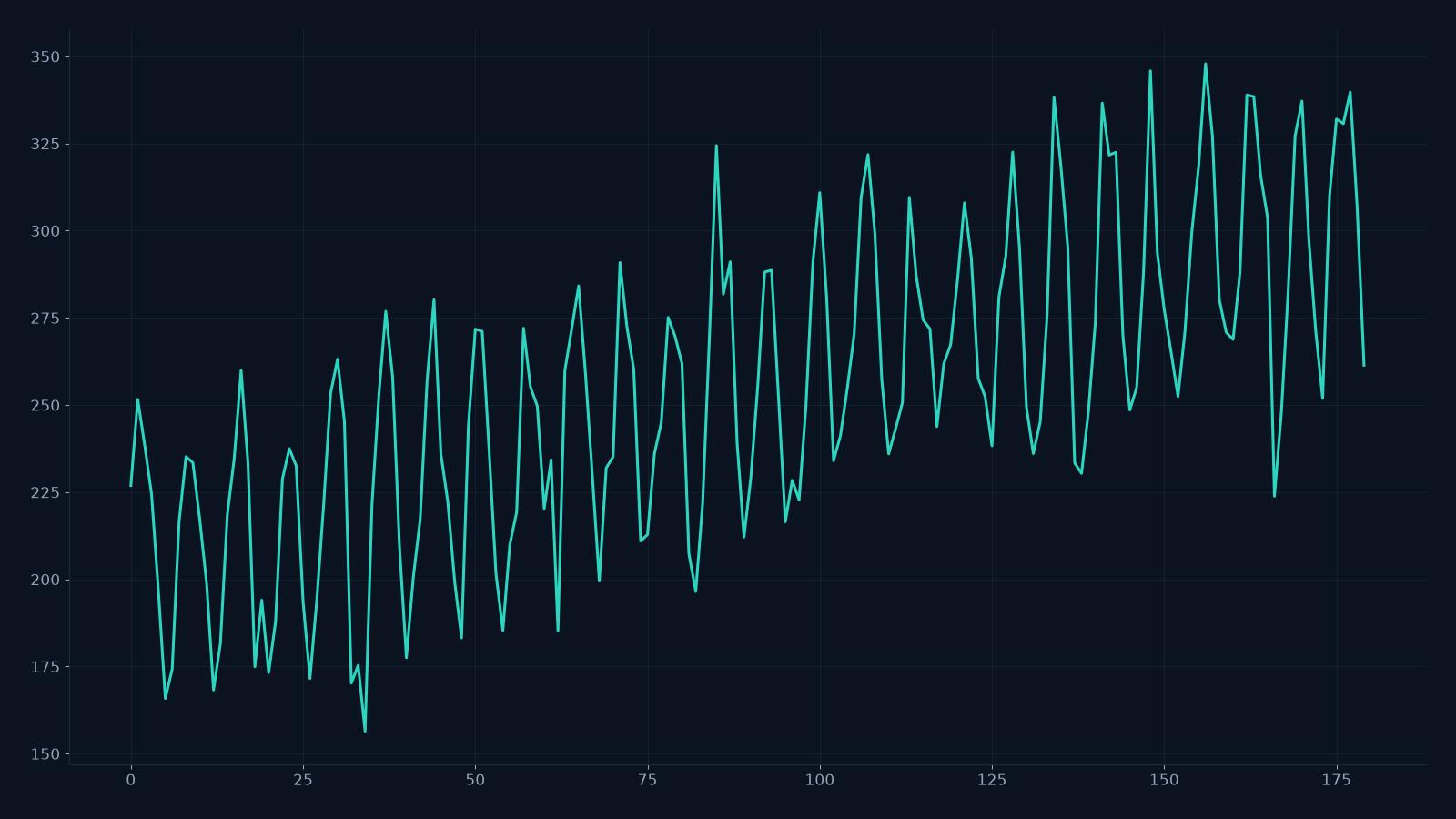
How to Evaluate a Time-Series Forecast: Metrics, Backtests and Calibration
MAE, RMSE, MASE, sMAPE, interval coverage and backtest design. A practical evaluation checklist for Timestral and any other forecasting model.
 Timestral Team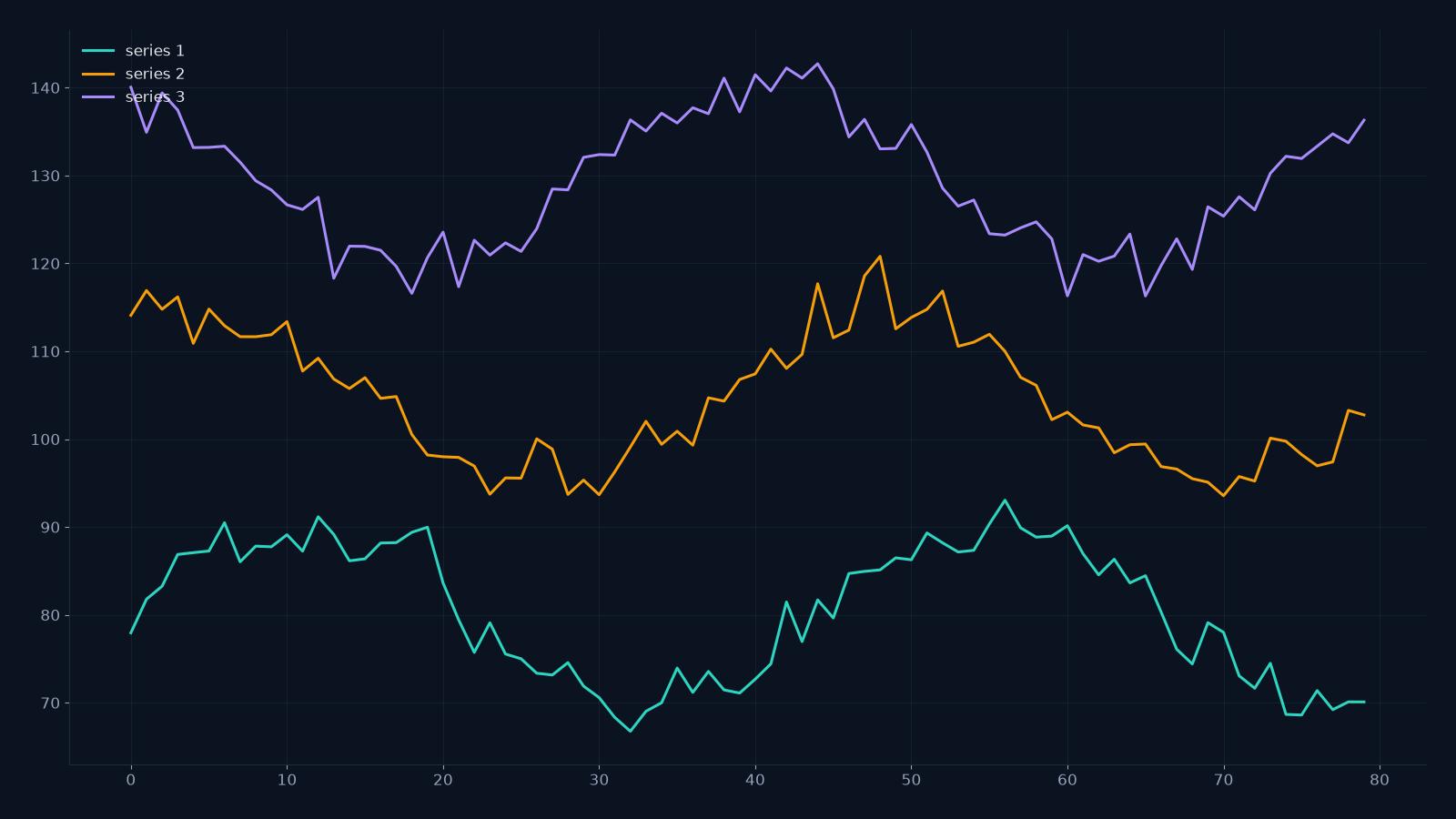
Multivariate Forecasting and Covariates with Timestral
When to forecast several series together, how covariates work, and how to avoid the correlation traps that make multivariate forecasts look better than they are.
Timestral Team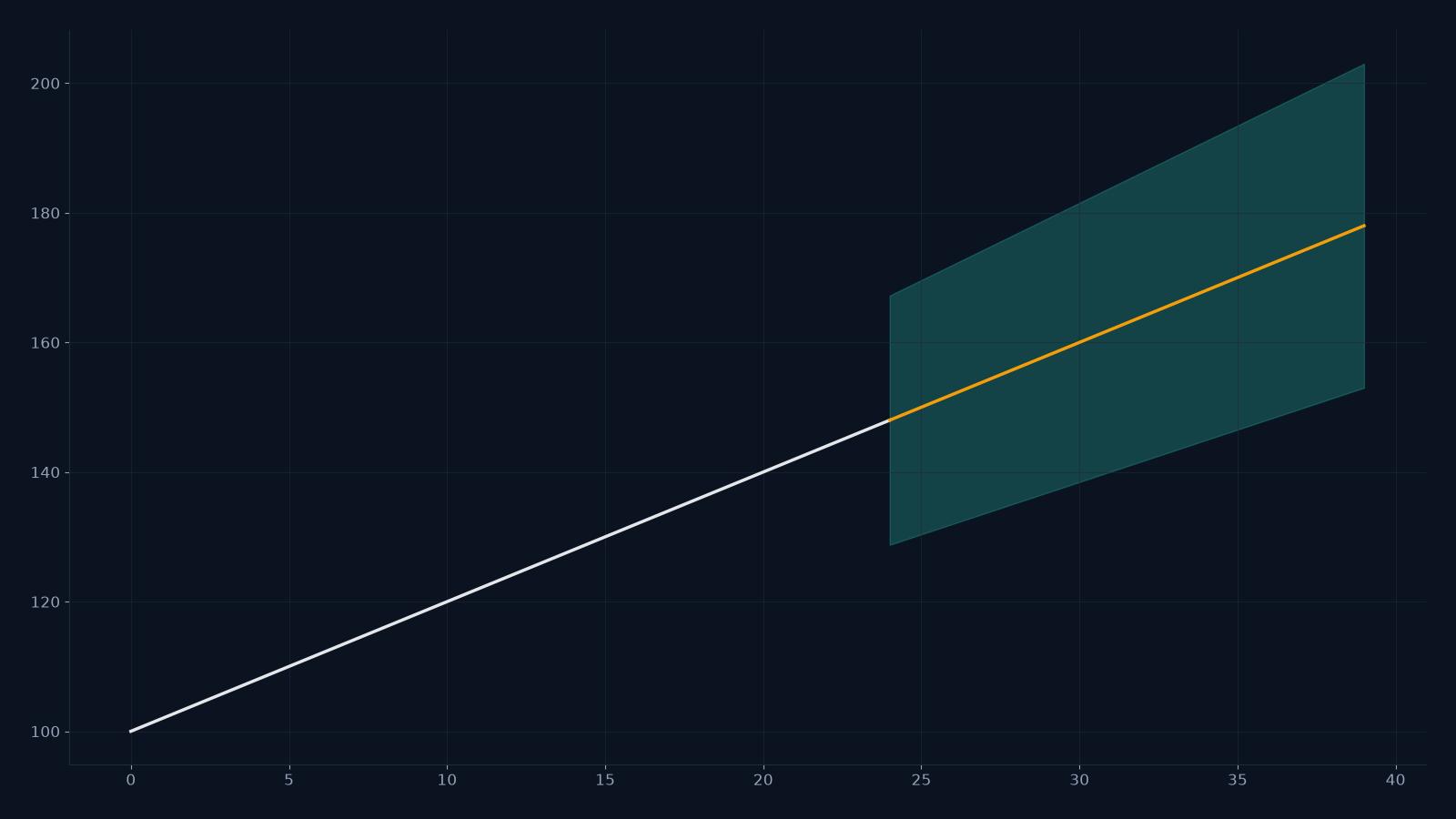
Probabilistic Forecasting: How to Read Timestral’s 21 Quantiles
A point forecast hides risk. This guide explains the 21 quantiles, prediction intervals, calibration and how to turn a fan chart into inventory, staffing and capacity decisions.
Timestral Team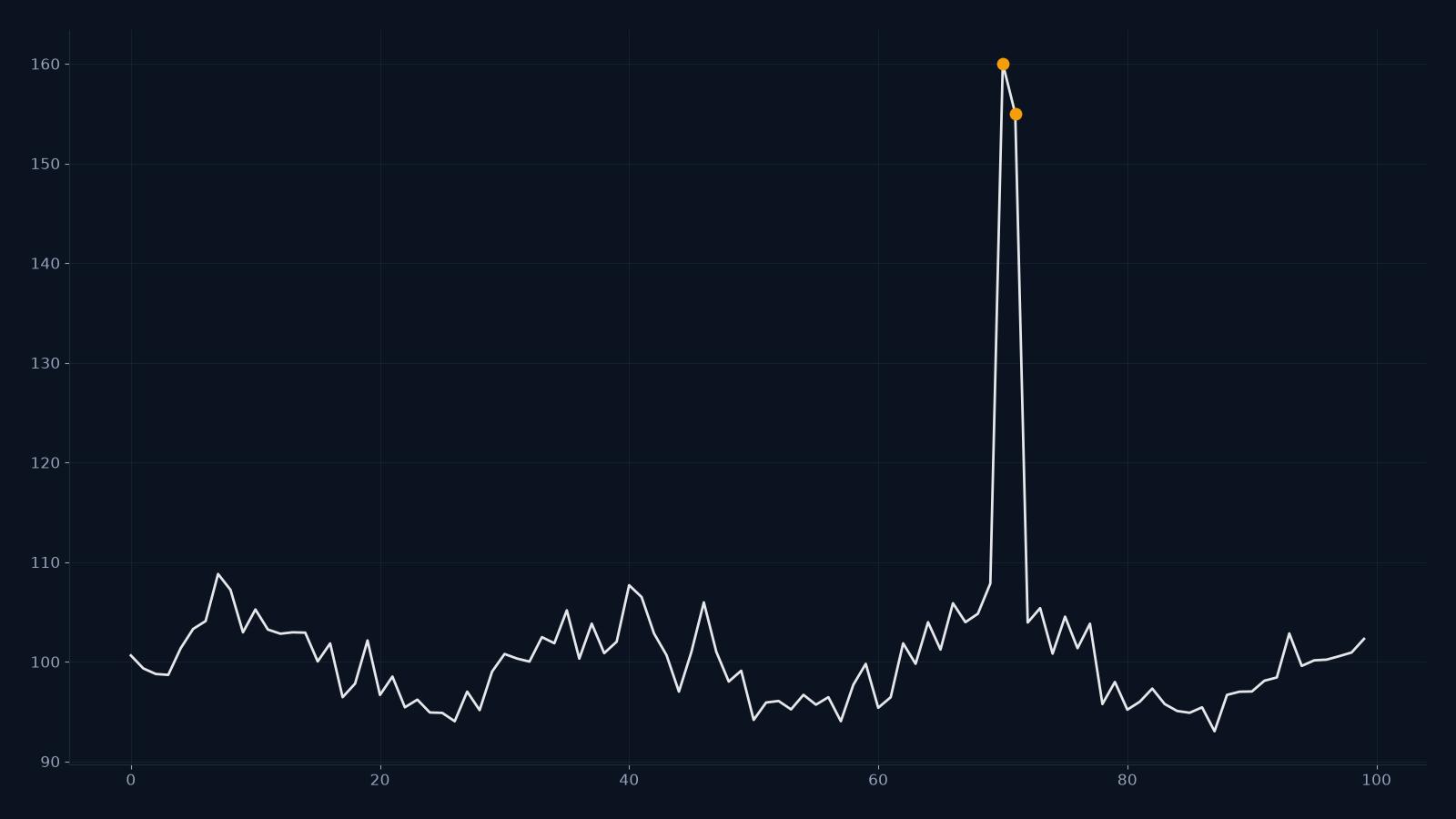
Time-Series Anomaly Detection with Forecast Bands
Use a probabilistic forecast as an anomaly detector: how to set thresholds, control false alarms, and separate a real incident from a model that is merely surprised.
Timestral Team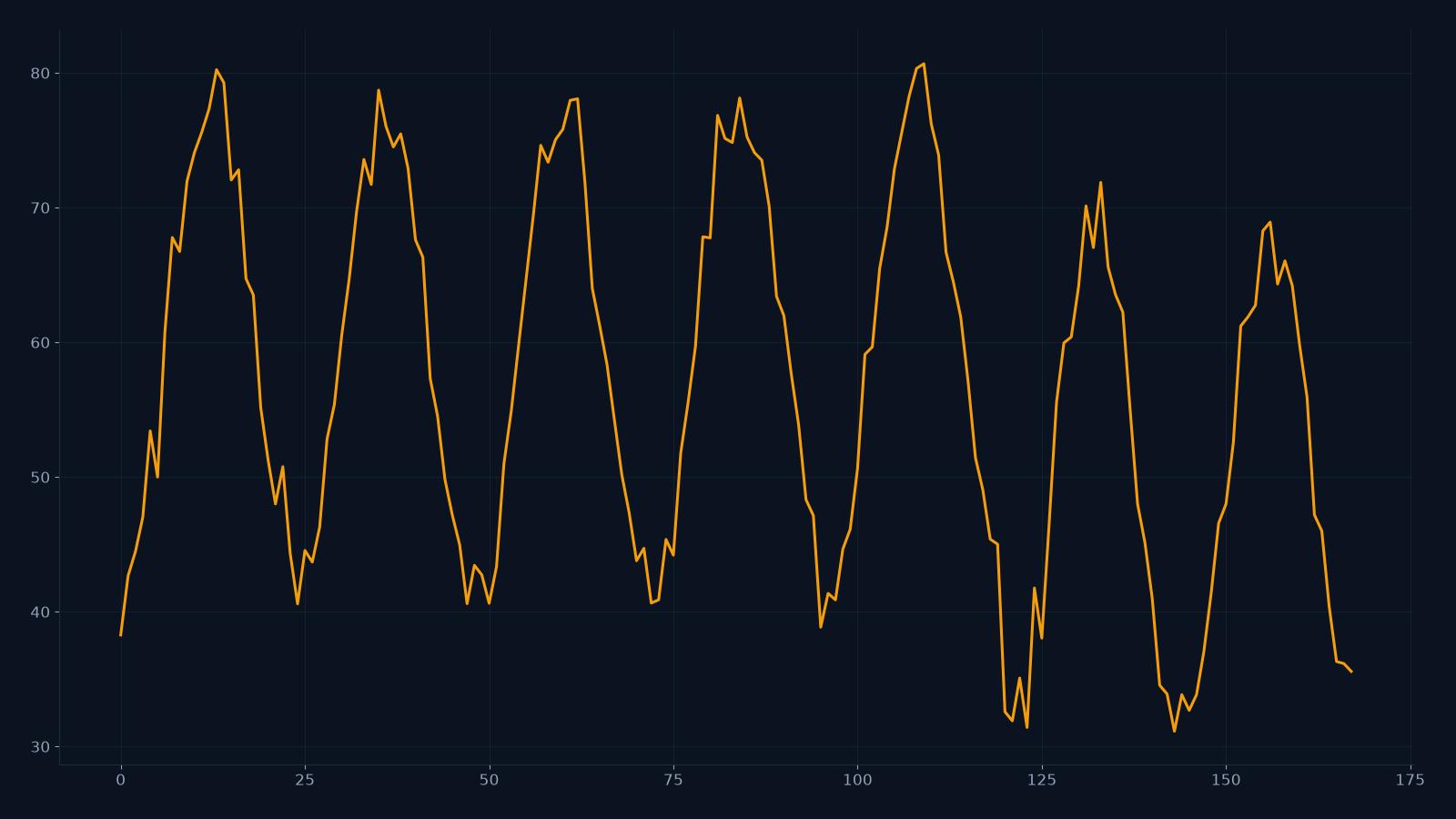
Time-Series Forecasting Use Cases That Actually Pay for Themselves
Six practical forecasting use cases — demand, staffing, energy, SaaS traffic, manufacturing and finance — with the data you need, the decision you make and the metric to watch.
Timestral Team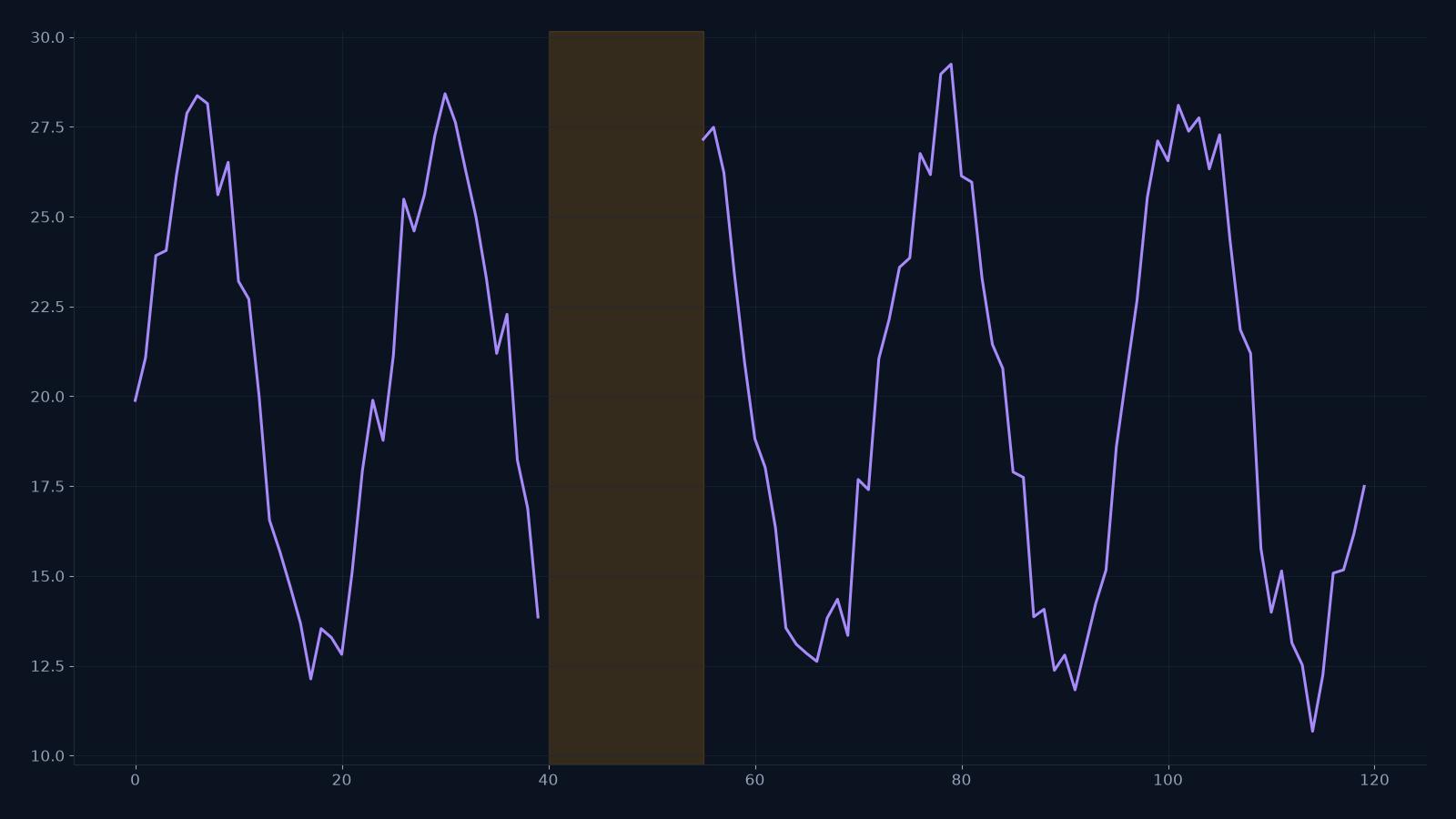
Timestral API Guide: CSV In, 21 Quantiles Out
How the Timestral forecast API works: create an API key, POST a CSV, get the median and 21 quantiles, and understand the credit and refund rules.
Timestral Team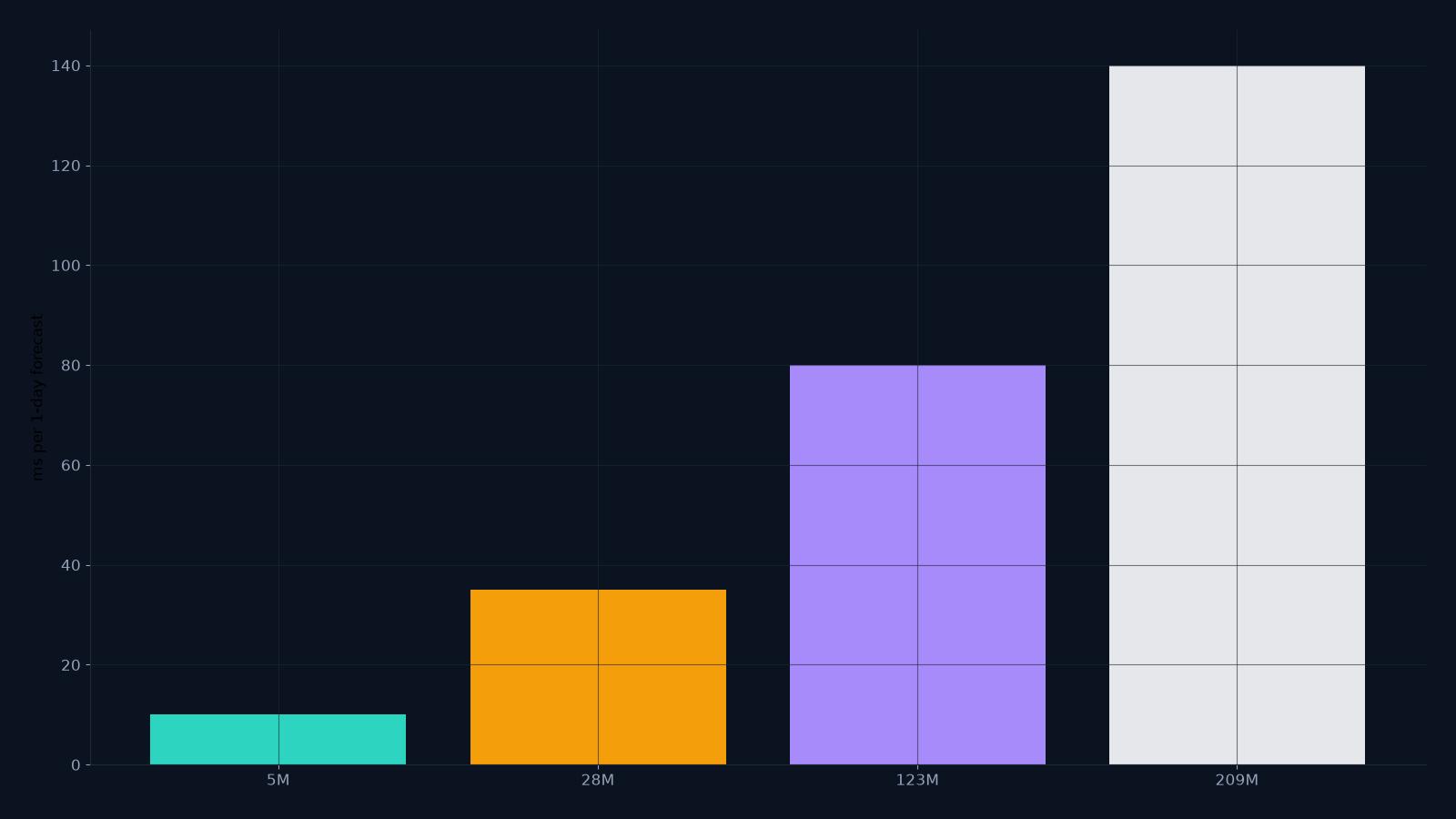
Timestral on CPU: Latency, Throughput and When You Still Need a GPU
A practical look at CPU inference for Timestral: vendor latency numbers, what changes with model size and horizon, and how to size a forecasting service without a GPU.
Timestral Team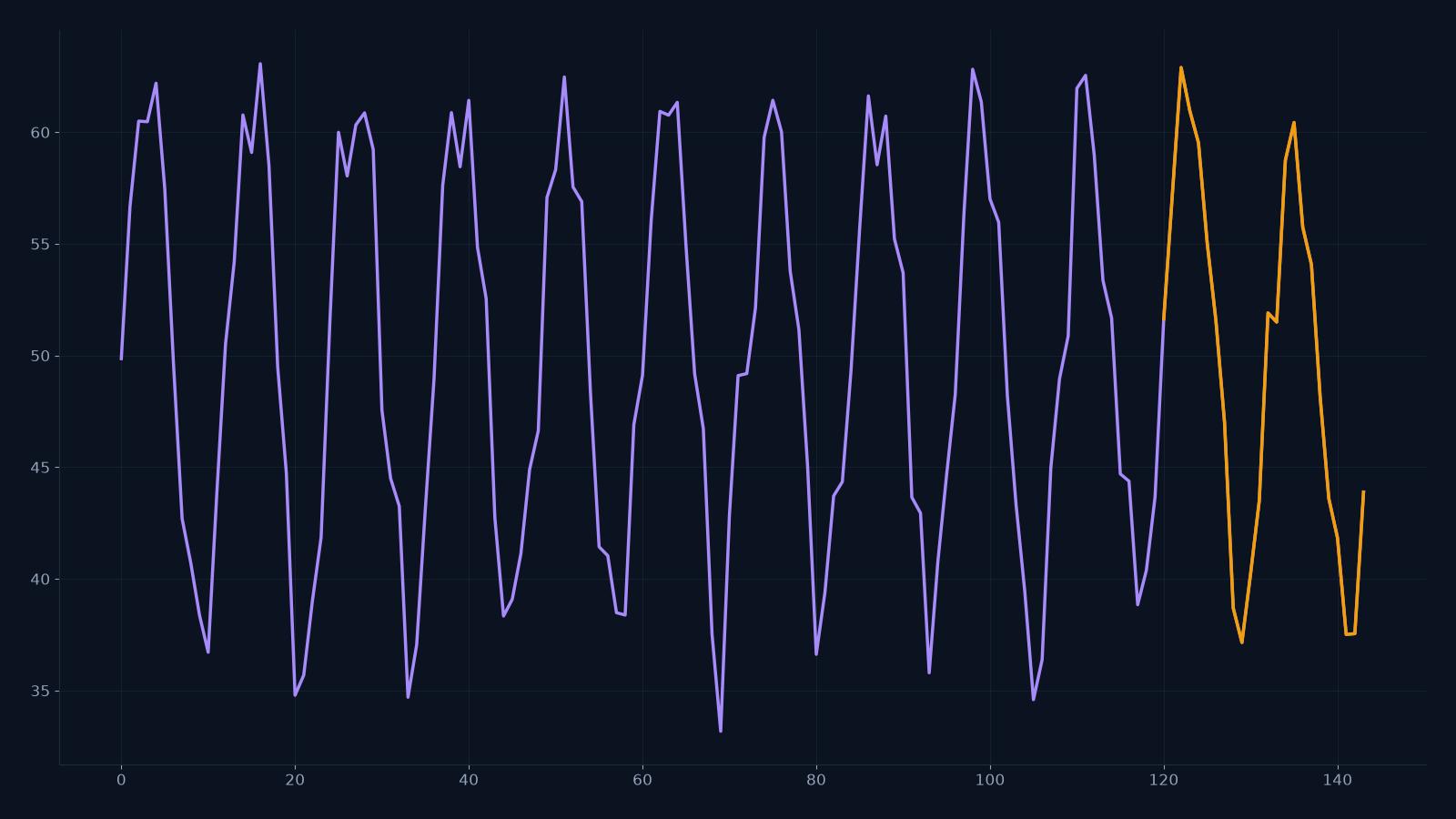
Timestral CSV Format: The Exact Input the Model Expects (2026)
A practical guide to the CSV shape Timestral accepts: optional date column, numeric series, separators, missing values, row and column limits, and the errors to avoid.
Timestral Team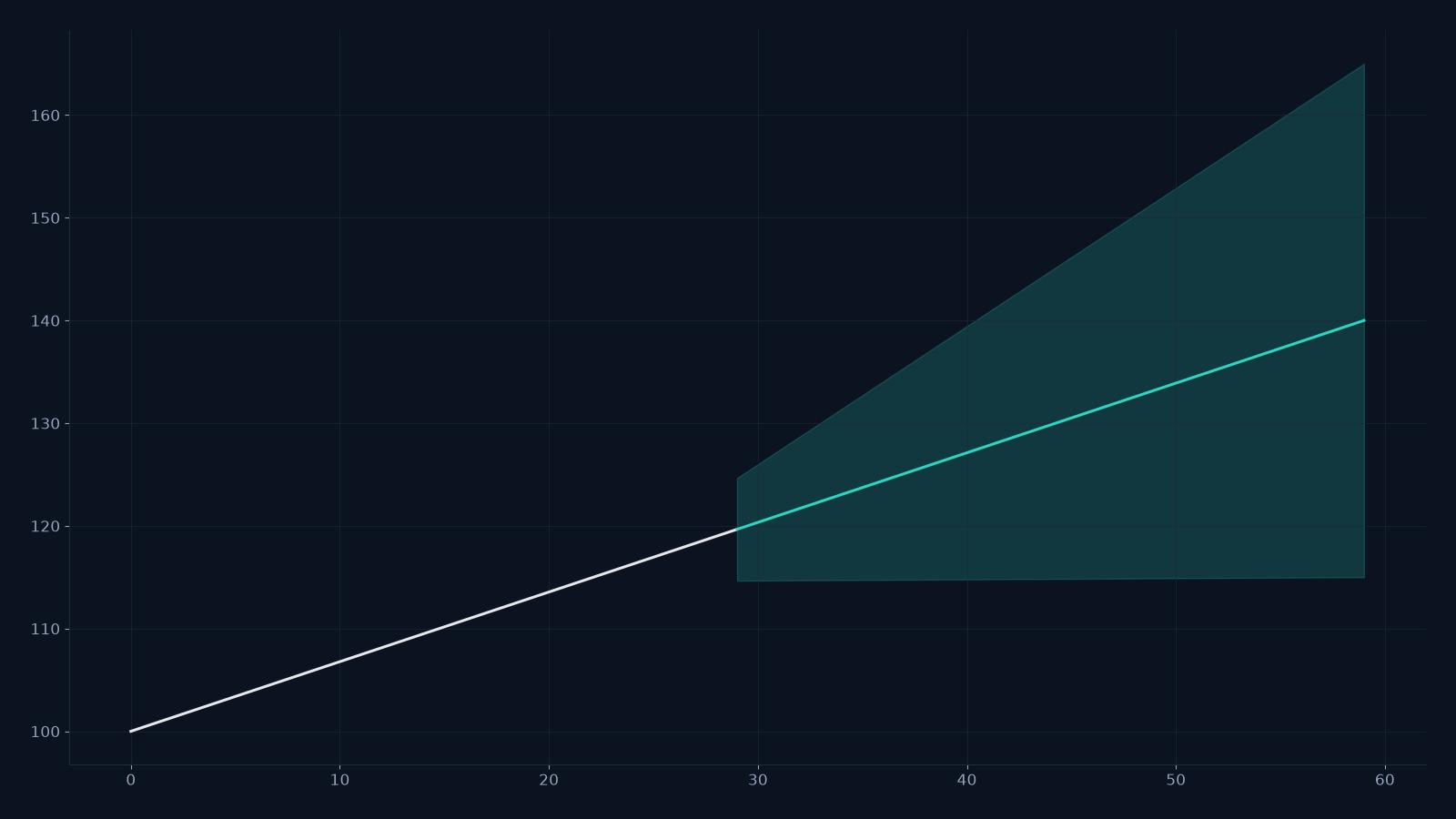
Timestral’s 32,768-Step Context: What Long-History Forecasting Changes
Long context helps when a series has slow cycles or long-range dependencies. Here is when to use the full history, when to cap it, and how to test whether the extra context earns its keep.
Timestral Team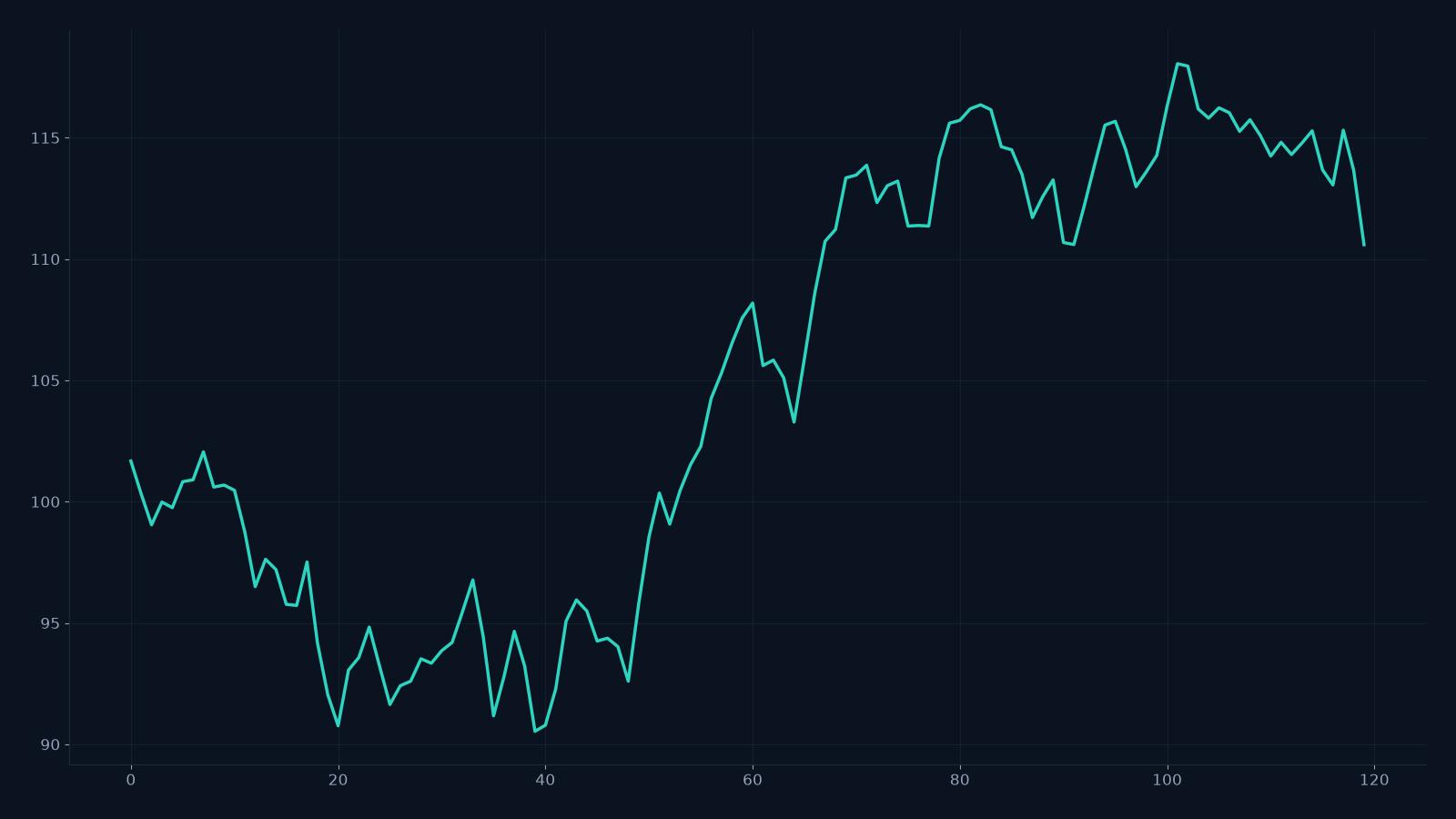
Timestral vs Chronos-2 vs Statistical Baselines: A Testable Comparison
How to compare Timestral, Chronos-2 and classical baselines on your own series: zero-shot setup, probabilistic output, context length, CPU latency, cost and backtest design.
Timestral Team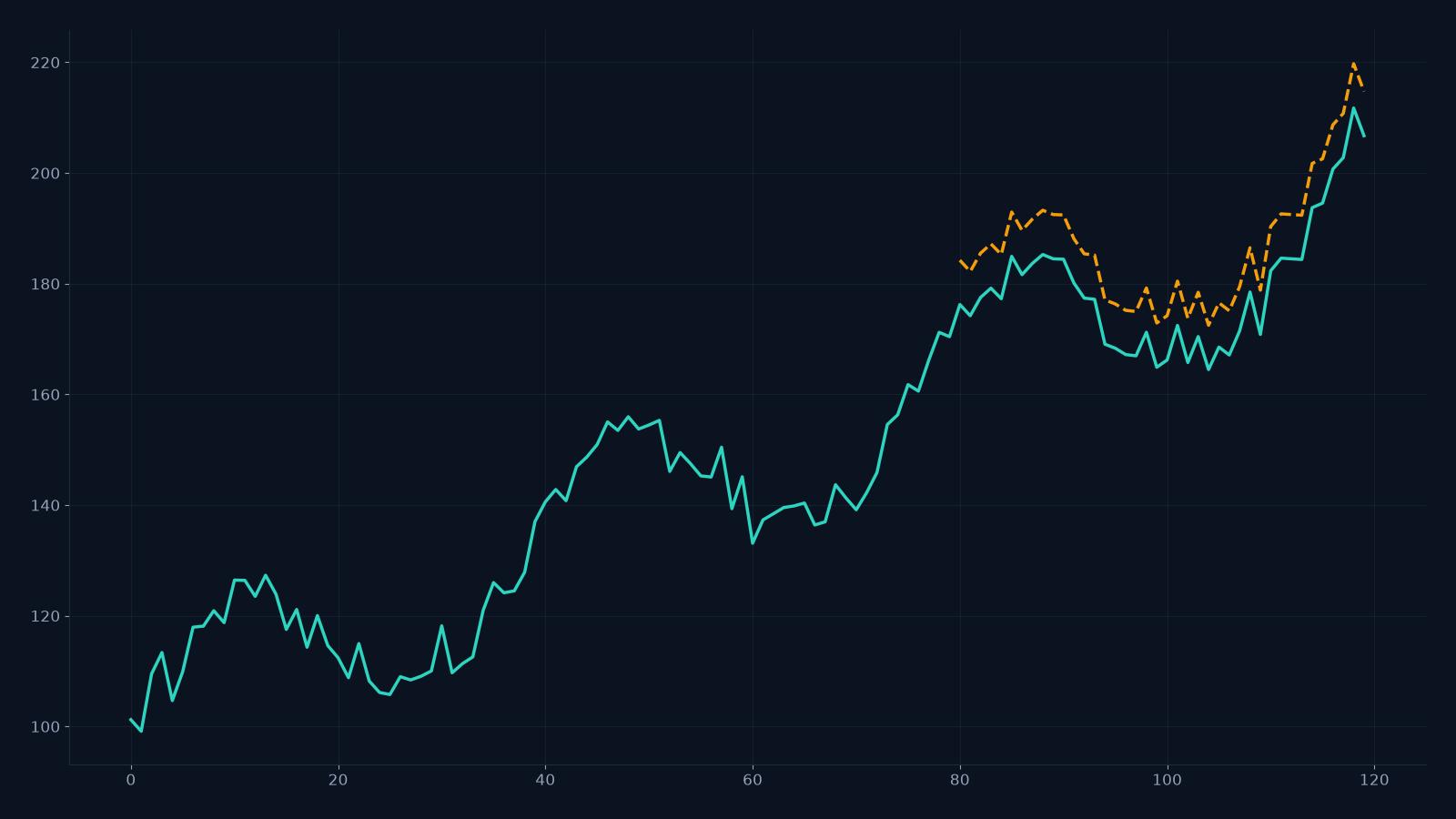
What Is Timestral? Mistral’s Time-Series Foundation Models (2026)
Timestral is Mistral’s family of open time-series foundation models: 5M, 28M, 123M and 209M parameters, zero-shot probabilistic forecasting, CPU inference and a 32,768-step context.
Timestral Team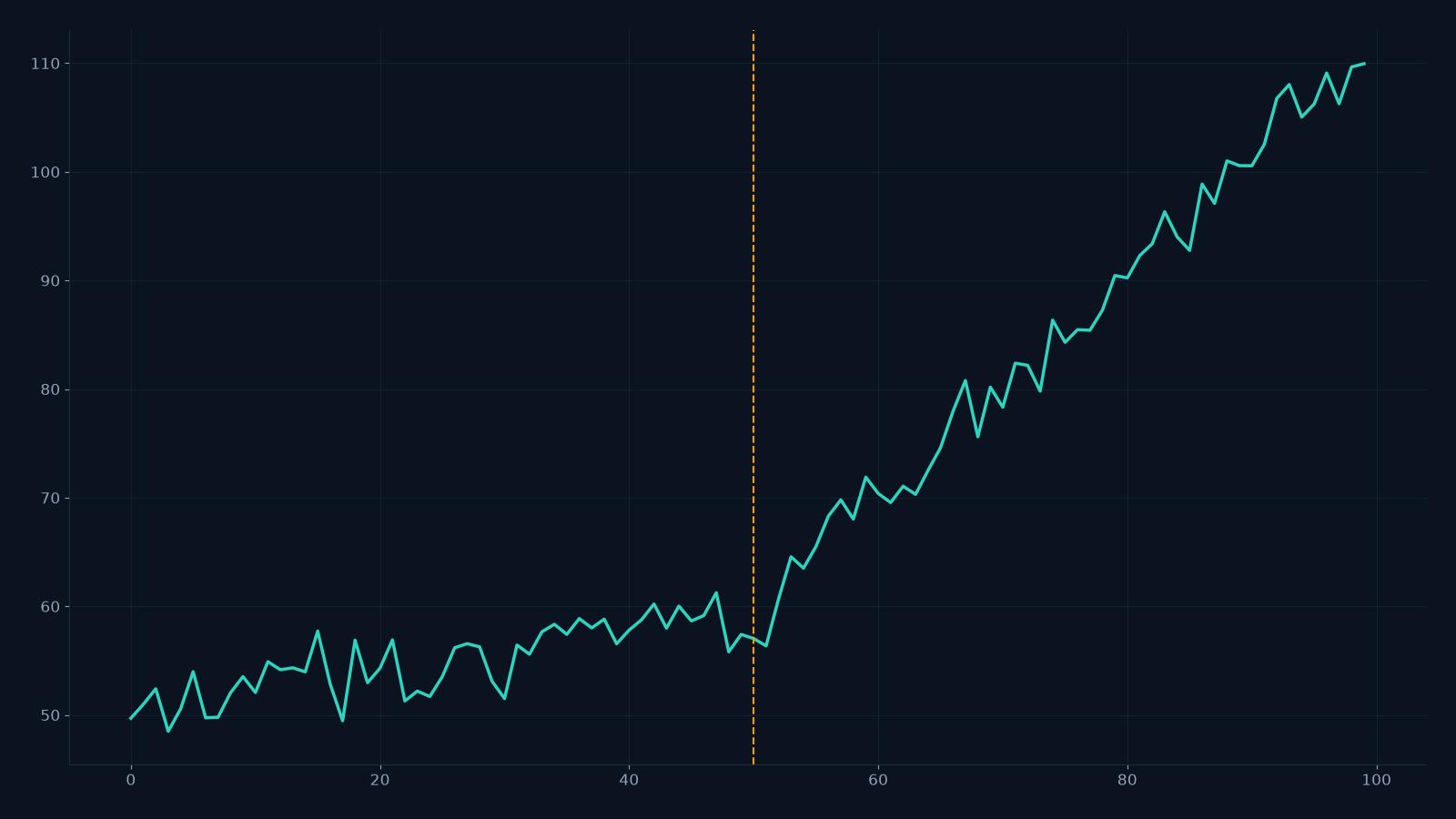
Zero-Shot Time-Series Forecasting: What It Means and When It Works
Zero-shot forecasting skips training and predicts a new series from its history. Learn when that is enough, when it fails, and how to set up a fair zero-shot baseline with Timestral.
Timestral Team